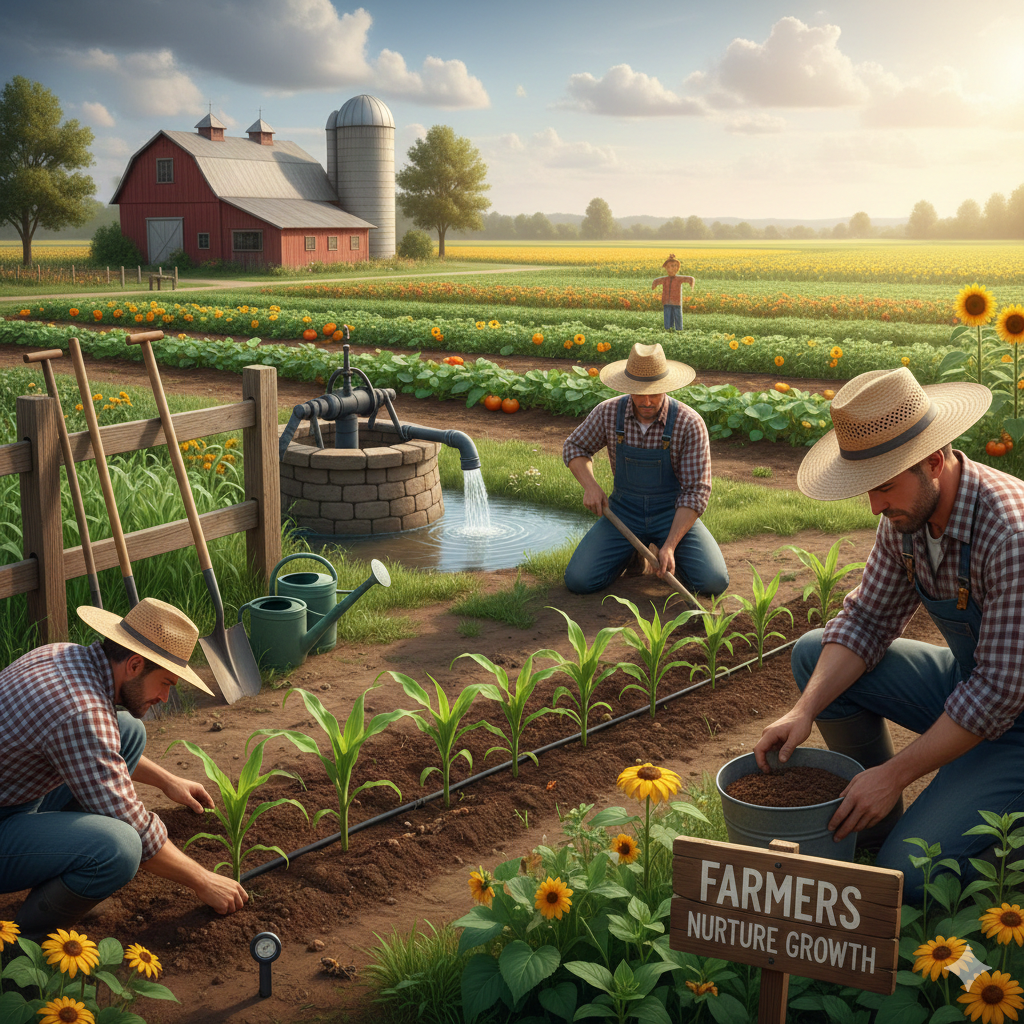
Farmers play a vital role in feeding the world. Every fruit, vegetable, grain, and crop we eat begins with careful planning, hard work, and knowledge. Plants do not simply grow on their own without support. Farmers use science, experience, and proper techniques to create the best conditions for healthy growth. From preparing the soil to harvesting crops, farmers help plants thrive at every stage of development.
Preparing the Soil
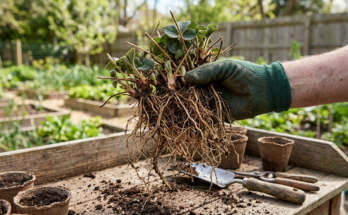
Healthy plants begin with healthy soil. Farmers understand that soil provides essential nutrients, water, and support for plant roots. Before planting, farmers prepare the land by plowing or tilling the soil. This process loosens compacted earth, improves air circulation, and allows roots to grow more easily.
Farmers often test the soil to determine its nutrient levels and pH balance. If the soil lacks nutrients, they add organic matter such as compost or natural fertilizers. These materials improve soil structure and provide important nutrients like nitrogen, phosphorus, and potassium.
Crop rotation is another method farmers use to maintain soil health. By planting different crops each season, they prevent nutrient depletion and reduce the risk of soil-borne diseases.
Selecting High-Quality Seeds
Farmers carefully choose the seeds they plant. High-quality seeds produce stronger plants with better resistance to pests and diseases. Some farmers select seeds that are adapted to local weather conditions, ensuring better growth and higher yields.
Modern farming also involves improved seed varieties developed through research. These seeds are often more productive and better suited to withstand drought, pests, or extreme temperatures.
Proper Planting Techniques
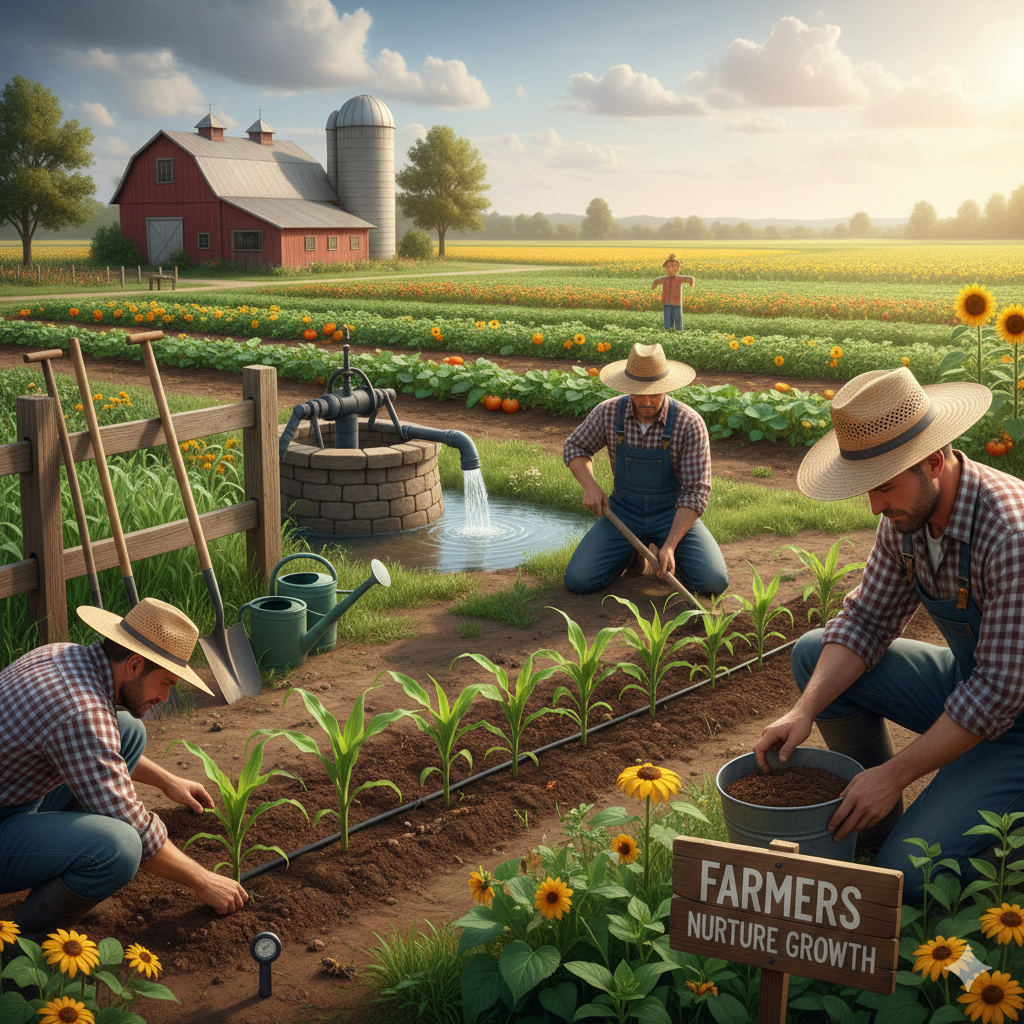
Planting crops at the correct depth and spacing is essential. Farmers follow specific guidelines to ensure each plant has enough room to grow. If seeds are planted too close together, plants may compete for sunlight, water, and nutrients.
Farmers also consider the right planting season. Different crops grow best in different temperatures. For example, wheat grows well in cooler seasons, while crops like corn require warmer conditions.
Providing Water Through Irrigation
Water is one of the most important factors in plant growth. Without enough water, plants cannot perform photosynthesis or absorb nutrients from the soil. Farmers use irrigation systems to ensure crops receive the right amount of water.
In many parts of the world, farmers use drip irrigation, which delivers water directly to the plant roots. This method reduces water waste and improves efficiency. In other areas, sprinkler systems or traditional flood irrigation methods are used.
Farmers monitor weather conditions carefully. During dry periods, they increase irrigation. During rainy seasons, they reduce watering to prevent root rot or waterlogging.
Supplying Nutrients
Plants need nutrients to grow strong stems, healthy leaves, and productive fruits. Farmers add fertilizers to the soil to provide essential nutrients. Organic fertilizers come from natural sources like compost and manure. Synthetic fertilizers are also used in some farming systems to deliver specific nutrients quickly.
Balanced nutrition helps plants grow faster and produce higher yields. However, farmers must apply fertilizers carefully. Too much fertilizer can harm plants and damage the environment.
Protecting Plants from Pests and Diseases
Pests and diseases can destroy crops if not managed properly. Farmers inspect their fields regularly to detect early signs of problems. They use various methods to protect plants, including biological control, natural predators, crop rotation, and safe pesticides when necessary.
Integrated Pest Management (IPM) is a modern approach many farmers use. It combines different strategies to reduce pest damage while minimizing environmental impact.
Healthy plants are naturally more resistant to disease. By maintaining soil quality and proper watering, farmers strengthen plants against potential threats.
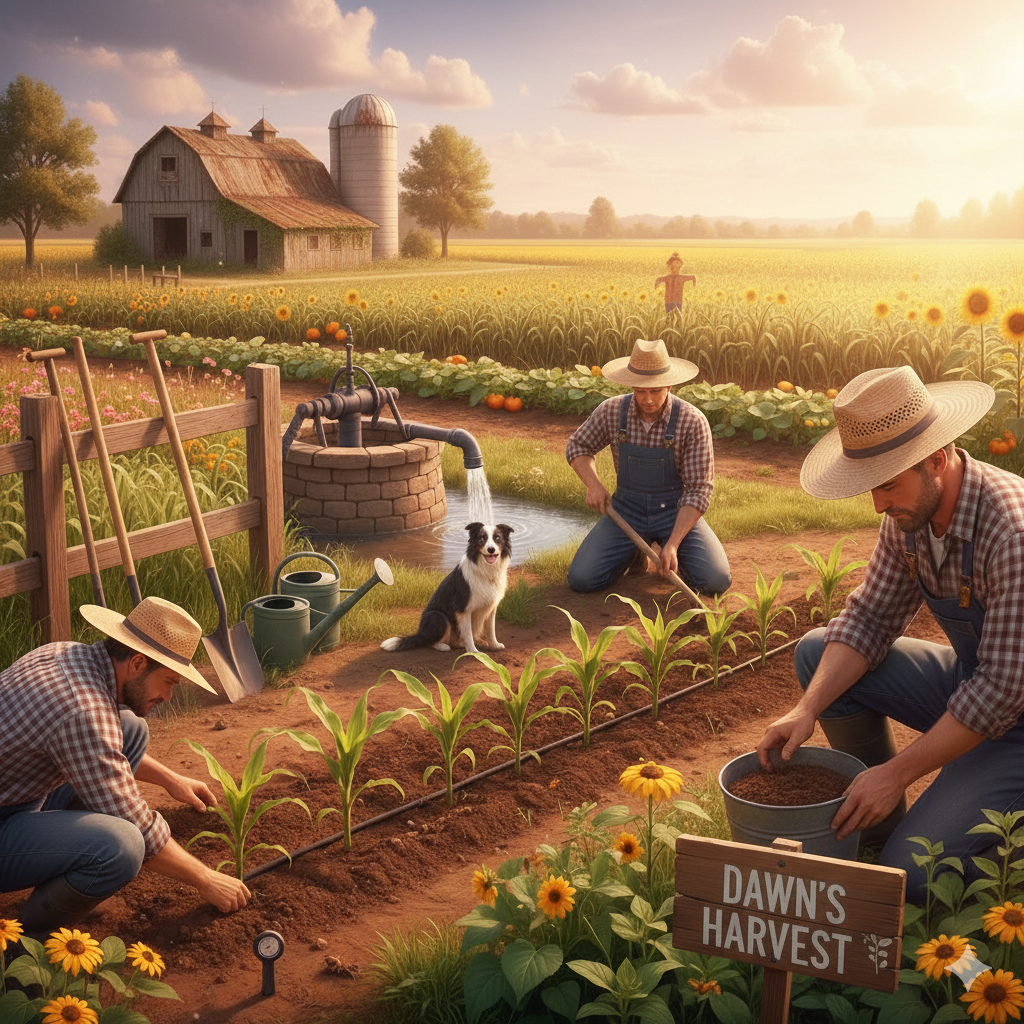
Controlling Weeds
Weeds compete with crops for sunlight, nutrients, and water. Farmers remove weeds manually or use tools and machinery to control them. In some cases, herbicides are applied carefully to prevent weed growth.
Mulching is another helpful method. It involves covering the soil with straw or other materials to prevent weeds and retain moisture. Weed control ensures that crops receive all the resources they need to grow properly.
Using Modern Technology
Technology has transformed farming practices. Farmers now use advanced equipment, drones, and sensors to monitor crop health. These tools provide valuable data about soil moisture, plant growth, and weather patterns.
Precision agriculture allows farmers to apply water and fertilizers exactly where needed. This reduces waste and increases productivity. Greenhouses also help farmers control temperature, humidity, and light, creating ideal growing conditions for plants.
Providing Sunlight and Space
Sunlight is essential for photosynthesis, the process by which plants produce food. Farmers design fields to maximize sunlight exposure. They also trim plants when necessary to improve air circulation and light penetration.
Proper spacing between rows ensures that each plant receives enough sunlight. In orchards, trees are pruned to maintain healthy growth and fruit production.
Harvesting at the Right Time
Farmers know when crops are ready to harvest. Harvesting too early can reduce quality, while harvesting too late may cause spoilage. By choosing the correct time, farmers ensure crops are nutritious and flavorful.
After harvesting, crops are handled carefully to maintain freshness. Proper storage conditions prevent damage and extend shelf life.
Supporting Sustainable Practices
Many farmers today focus on sustainable agriculture. They use eco-friendly practices to protect the environment while promoting plant growth. Techniques such as conservation tillage, organic farming, and water management help preserve natural resources for future generations.
Sustainable farming not only benefits plants but also supports long-term food security.
Conclusion
Farmers play a crucial role in helping plants grow. Through soil preparation, proper planting, irrigation, fertilization, pest control, and modern technology, they create the ideal conditions for healthy crops. Their knowledge and dedication ensure that plants receive everything they need to thrive.
Without farmers, food production would not be possible on a large scale. Their continuous efforts support communities, strengthen economies, and provide nourishment to people around the world. By understanding how farmers help plants grow, we gain greater appreciation for the hard work behind every meal we enjoy.