King palm plants are among the most graceful and elegant plants you can grow in a garden or indoor space. Known for their tall, slender trunks and lush green fronds, these palms bring a tropical feel to any environment. Whether planted outdoors in warm climates or grown indoors as decorative houseplants, king palms are admired for their beauty and relatively easy care.
If you are looking to add a touch of greenery that feels both modern and natural, king palm plants are an excellent choice. This guide will help you understand their features, growing conditions, and how to care for them successfully.
What Are King Palm Plants?
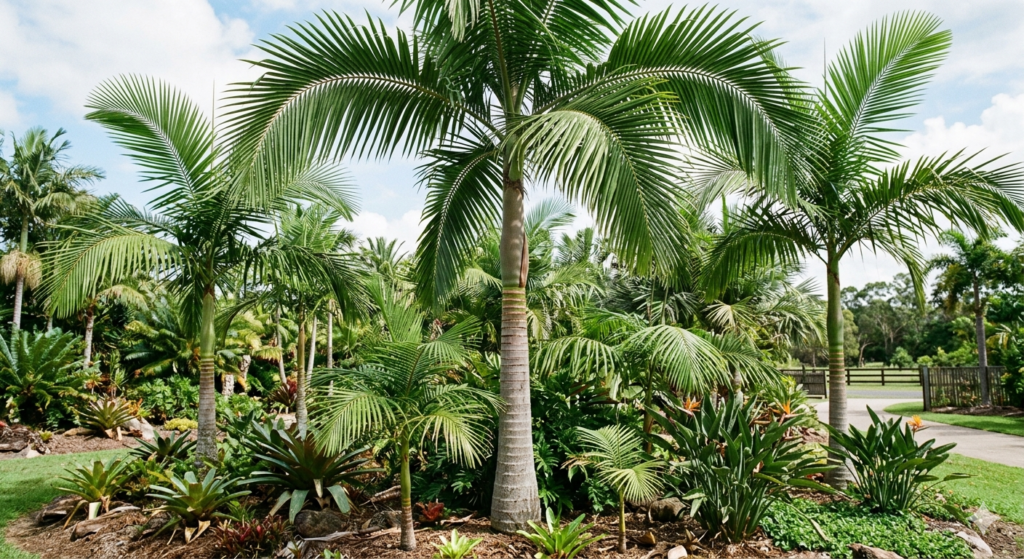
They are fast-growing palm trees that can reach impressive heights when planted outdoors. Indoors, they grow more slowly and remain manageable, making them suitable for homes and offices.
Their smooth trunks and feathery fronds give them a clean and elegant appearance that fits well with many landscaping styles.
Appearance and Features
King palm plants are known for their attractive structure and lush foliage.
Tall and Slender Trunk
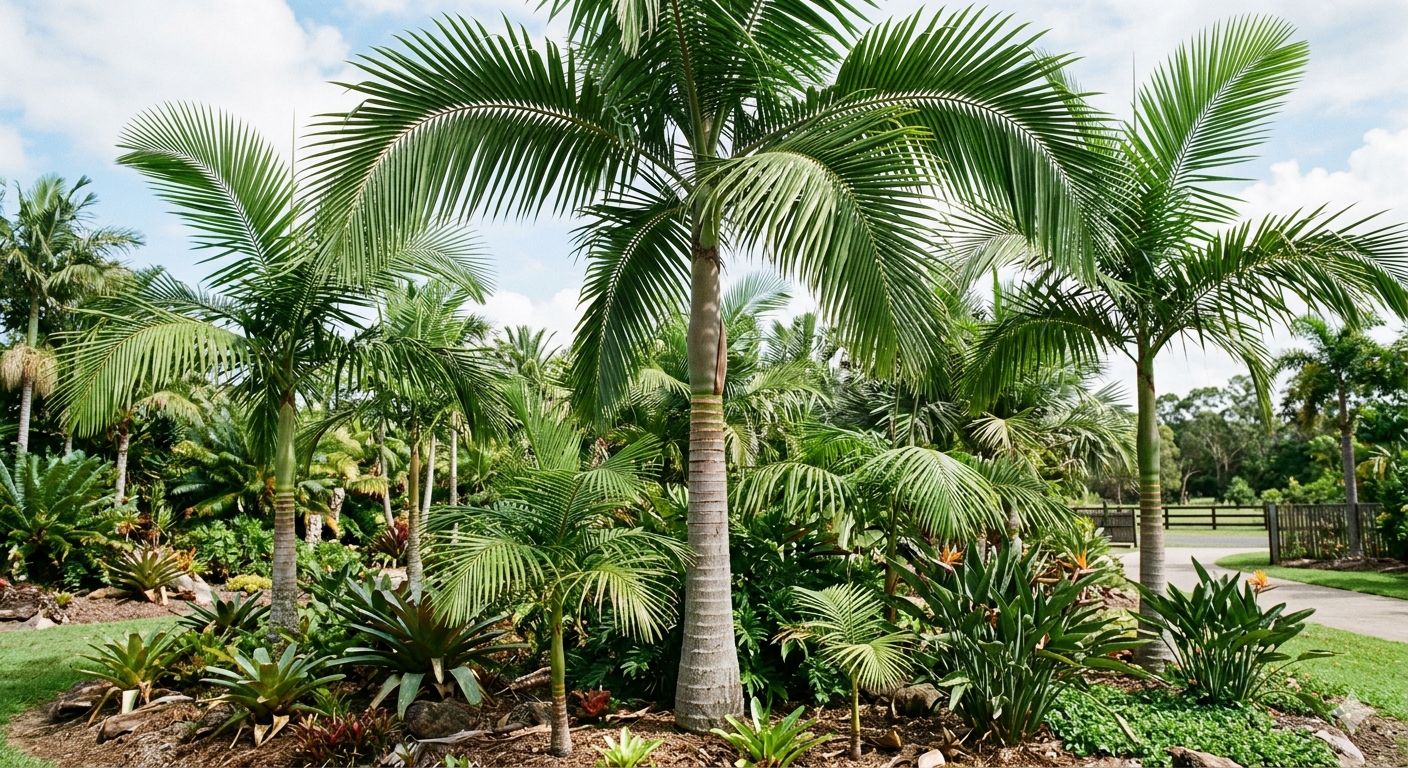
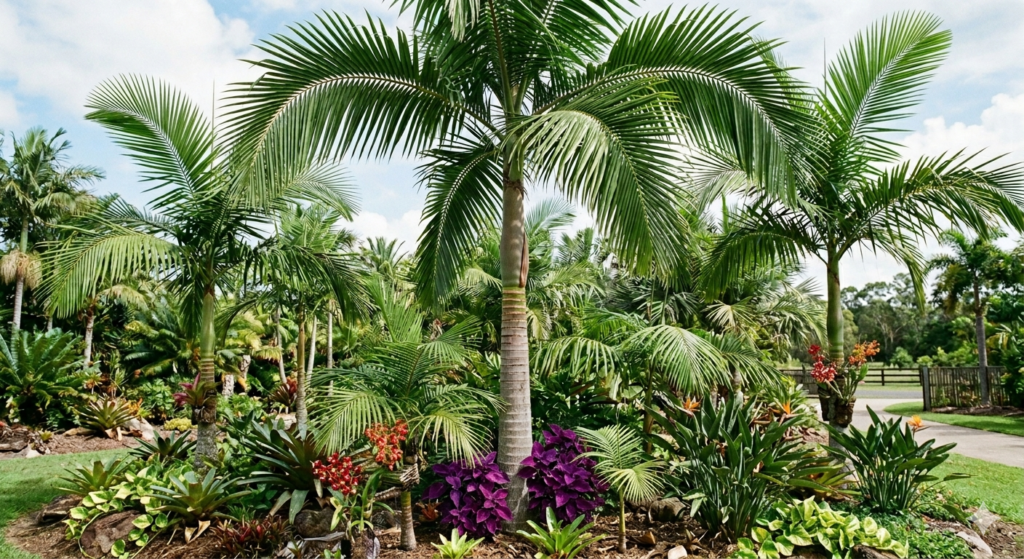
The trunk of a king palm is straight, smooth, and light gray in color. It gives the plant a neat and organized look.
Feathery Fronds
The leaves, also known as fronds, are long and arching. They have a soft, feather-like appearance and are bright green, adding freshness to the surroundings.
Crownshaft
One unique feature of king palms is the crownshaft, a smooth green section at the top of the trunk from which the fronds grow.
Height
Outdoors, king palms can grow quite tall, sometimes reaching up to 30–50 feet. Indoors, they usually remain much smaller.
Ideal Growing Conditions
Providing the right conditions is key to growing healthy king palm plants.
Sunlight
King palms prefer bright, indirect light. Outdoors, they grow best in partial shade or filtered sunlight.
Too much direct sunlight, especially in hot climates, can damage the leaves. Indoors, placing them near a bright window works well.
Temperature
These palms thrive in warm temperatures. They grow best in conditions between 18°C and 30°C (65°F to 86°F).
They are sensitive to cold weather and should be protected from frost or sudden temperature drops.
Humidity
King palms enjoy moderate to high humidity. In dry environments, occasional misting or placing a humidity tray nearby can help keep the leaves healthy.
Soil Requirements
Well-draining soil is essential for king palms. The soil should allow water to pass through easily while still retaining some moisture.
A good potting mix may include:
- Garden soil
- Compost
- Sand or perlite
This combination provides the right balance of nutrients and drainage.
Watering Needs
King palm plants require consistent watering to stay healthy.
The soil should be kept evenly moist but not waterlogged. Overwatering can lead to root rot, while underwatering may cause the leaves to dry out.
A simple rule is to water when the top layer of soil feels slightly dry.
During warmer months, more frequent watering may be needed, while in cooler seasons, watering can be reduced.
Fertilizing
These palms benefit from regular feeding during the growing season.
Using a balanced fertilizer once every few weeks in spring and summer helps support healthy growth and vibrant foliage.
Avoid over-fertilizing, as it can harm the roots and cause leaf problems.
Pruning and Maintenance
King palms require minimal pruning.
Remove only dead or yellowing leaves to keep the plant looking neat. Avoid cutting healthy green fronds, as they are important for the plant’s growth.
Regular cleaning of leaves can also help maintain their fresh appearance.
Growing King Palms Indoors
King palms are popular indoor plants because of their elegant look.
To grow them indoors:
- Place them near bright windows
- Use well-draining soil
- Maintain moderate humidity
- Avoid cold drafts
Indoor king palms grow more slowly but still provide a beautiful tropical feel.
Outdoor Landscaping Uses
In outdoor gardens, king palms are often used as:
- Feature trees in landscapes
- Border plants along pathways
- Decorative elements near pools or patios
Their tall and graceful appearance makes them perfect for creating a tropical garden design.
Common Problems and Solutions
Although king palms are generally easy to care for, some issues may arise.
Yellow Leaves
Yellowing leaves can be caused by overwatering, poor drainage, or nutrient deficiency. Adjusting watering habits and feeding the plant can help.
Brown Tips
Brown leaf tips are often due to dry air or inconsistent watering. Increasing humidity and maintaining regular watering can solve this problem.
Slow Growth
If the plant is not growing well, it may need more light or nutrients.
Benefits of King Palm Plants
There are many advantages to growing king palm plants.
- They add a tropical and elegant look to any space
- They are relatively easy to maintain
- They improve indoor air quality
- They can be grown both indoors and outdoors
Their versatility makes them suitable for many different environments.
Tips for Healthy Growth
To keep your king palm thriving:
- Provide bright, indirect light
- Water regularly but avoid overwatering
- Use well-draining soil
- Maintain moderate humidity
- Fertilize during the growing season
Following these simple tips ensures long-lasting plant health.
Conclusion
King palm plants are a beautiful and versatile choice for anyone looking to add greenery to their space. With their tall, graceful structure and lush green leaves, they create a calm and refreshing atmosphere.
Whether grown indoors or outdoors, these palms require only basic care, including proper lighting, watering, and occasional feeding.
If you want a plant that combines elegance with simplicity, king palm plants are an excellent option. They bring a touch of the tropics into your everyday life while remaining easy to care for and maintain.