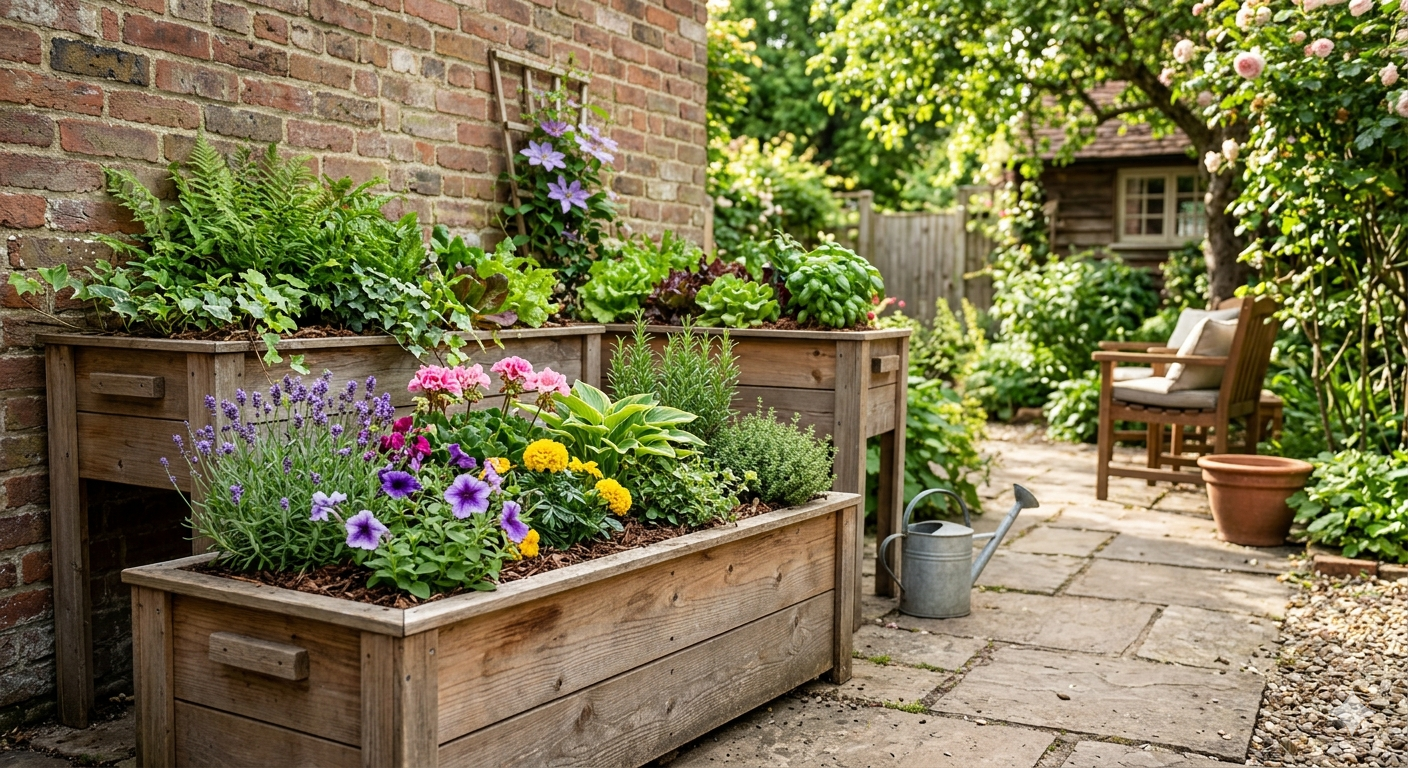
Wood planter boxes are a popular choice for gardeners who want to grow plants in an organized and attractive way. Whether used indoors, on balconies, patios, or in large gardens, these boxes offer a flexible and natural-looking solution for planting flowers, herbs, vegetables, and even small shrubs.
With their rustic charm and practical design, wood planter boxes not only support plant growth but also enhance the overall appearance of a space. They are suitable for beginners as well as experienced gardeners and can be customized to fit different needs.
What Are Wood Planter Boxes?
Wood planter boxes are containers made from wooden materials that are used to grow plants. They come in various sizes, shapes, and styles. Some are small enough for windowsills, while others are large raised beds designed for outdoor gardening.
These boxes can be placed directly on the ground or elevated on stands. Raised planter boxes are especially useful for people who want to garden without bending down too much.
Wood is a natural material that blends well with outdoor environments, making it a favorite for many garden designs.

Benefits of Using Wood Planter Boxes
There are several advantages to using wood planter boxes in gardening.
Natural Appearance
Wood has a warm, organic look that fits beautifully into both traditional and modern garden designs. It complements plants and greenery, creating a balanced and appealing space.
Versatility
Wood planter boxes can be used in many locations:
- Balconies
- Patios
- Backyards
- Indoor spaces
They are also suitable for growing a wide variety of plants, including flowers, vegetables, and herbs.
Good Insulation
Wood helps regulate soil temperature. It protects plant roots from extreme heat and cold better than some other materials like metal or plastic.
Eco-Friendly Option
When sourced responsibly, wood is an environmentally friendly material. Using recycled or reclaimed wood can make planter boxes even more sustainable.
Types of Wood Used for Planter Boxes
Not all wood is the same when it comes to gardening. Some types of wood last longer and resist moisture better than others.
Cedar
Cedar is one of the best choices for planter boxes. It is naturally resistant to moisture, insects, and decay. It also has a pleasant natural scent.
Redwood
Redwood is another durable option. It resists rotting and has a rich, attractive color.
Pine
Pine is more affordable but less durable. It often requires treatment or sealing to protect it from moisture and extend its lifespan.
Choosing the right wood helps ensure that your planter box lasts for many years.
Materials Needed:
- Wooden boards
- Nails or screws
- Hammer or drill
- Saw
- Measuring tape
Basic Steps:
- Measure and cut the wood pieces according to your desired size.
- Assemble the sides to form a box shape.
- Attach the bottom panel securely.
- Drill small holes at the bottom for drainage.
- Sand the edges to make them smooth.
Once completed, you can paint or seal the box to protect it from weather conditions.
Preparing the Planter Box for Use
Before planting, it is important to prepare the wood planter box properly.
Add a Liner
Using a liner inside the box can help protect the wood from constant moisture. Liners also prevent soil from leaking out.
Ensure Drainage
Good drainage is essential for healthy plants. Make sure the box has enough holes at the bottom to allow excess water to escape.
Fill with Quality Soil
Use a high-quality potting mix suitable for the plants you want to grow. Avoid using heavy garden soil, as it may not drain well in containers.
Best Plants for Wood Planter Boxes
Many plants grow well in wood planter boxes. The choice depends on the size of the box and the location.
Flowers
Colorful flowers such as petunias, marigolds, and geraniums add beauty and brightness to any space.
Herbs
Herbs like basil, mint, and parsley are perfect for smaller planter boxes and can be easily grown on balconies or windowsills.
Vegetables
Vegetables such as tomatoes, lettuce, peppers, and carrots can thrive in larger boxes, especially raised beds.
Small Shrubs
Decorative shrubs can also be grown in bigger planter boxes to create structure in garden designs.
Maintenance Tips
To keep wood planter boxes in good condition, regular maintenance is important.
Check for Damage
Inspect the box regularly for cracks, rot, or loose joints. Repair any issues promptly.
Clean the Box
Remove old soil and debris at the end of each growing season. This helps maintain hygiene and prevents plant diseases.
Reapply Protection
Over time, the protective coating may wear off. Reapplying it every year or two keeps the wood strong and durable.
Decorative Ideas
Wood planter boxes can be used creatively to enhance your space.
- Paint them in bright or neutral colors
- Arrange multiple boxes at different heights
- Use them as borders for pathways
- Create vertical gardens using stacked boxes
These ideas help turn simple planter boxes into stylish garden features.
Advantages for Small Spaces
For people living in apartments or homes with limited outdoor space, wood planter boxes are an excellent solution. They allow you to grow plants without needing a large garden.
You can place them on balconies, rooftops, or even indoors near windows. This makes gardening accessible to almost everyone.
Conclusion
Wood planter boxes are a practical, attractive, and versatile option for growing plants. Their natural appearance, durability, and ease of customization make them a favorite among gardeners.
Gardening does not require a large space or expensive tools. With a simple wood planter box, you can create your own green corner and enjoy the beauty of plants right at home.