The black dahlia plant is one of the most striking and mysterious flowers you can grow in a garden. Known for its deep, dark petals that appear almost black, this plant creates a bold and elegant look in flower beds, borders, and decorative landscapes. Although true black flowers are rare in nature, certain varieties of dahlias have very deep shades of burgundy, maroon, or purple that give them a nearly black appearance.
Gardeners love black dahlias because they add contrast, drama, and beauty to outdoor spaces. When combined with lighter colored flowers such as white, pink, or yellow, these dark blooms create a stunning visual effect.
What Is a Black Dahlia?
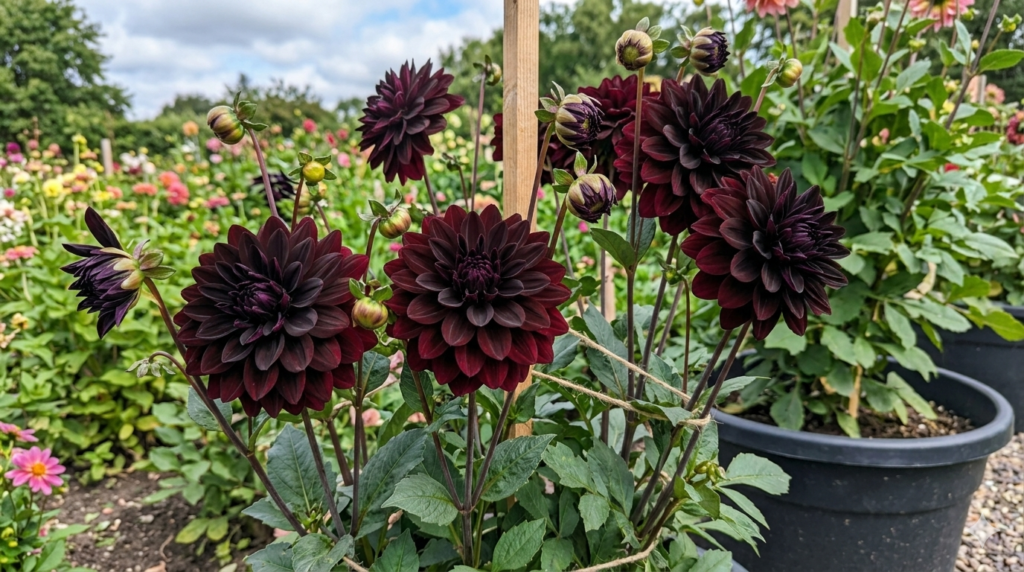
A black dahlia refers to a type of dahlia flower that has extremely dark-colored petals. These flowers are not truly black but appear black because of their very deep shades of red, purple, or burgundy.
Dahlias belong to the Dahlia genus, which includes many different varieties and colors. They are native to Mexico and Central America and have become popular ornamental plants around the world.
Black dahlia varieties are especially admired because their unique color makes them stand out in gardens and floral arrangements.
Appearance of the Black Dahlia Plant
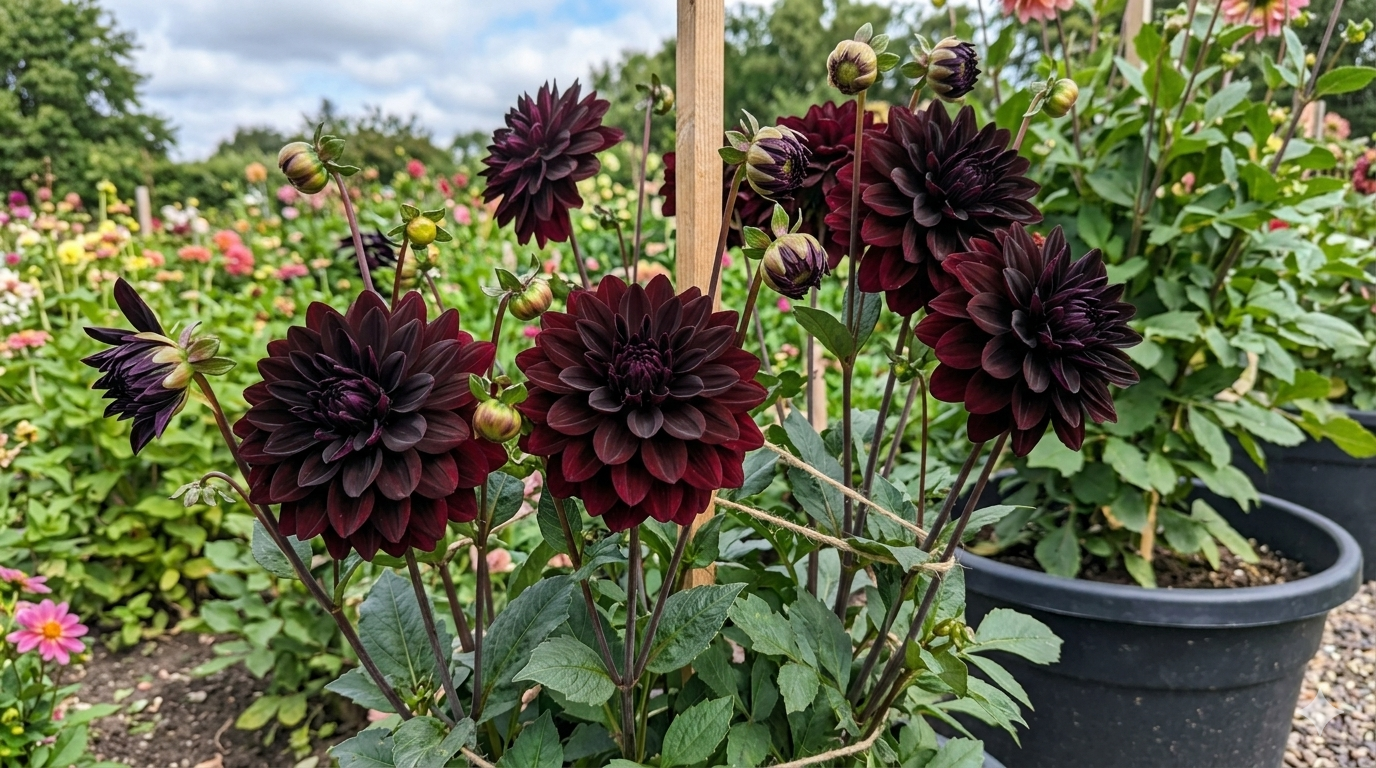
Black dahlias are known for their dramatic and elegant appearance. Their petals often have a velvety texture and a rich, dark color that looks almost black in certain lighting.
These plants typically grow between one and four feet tall, depending on the variety. Their stems are sturdy, and their leaves are green and slightly pointed.
The flowers themselves can vary in shape and size. Some varieties produce small, compact blooms, while others grow large, layered flowers with many petals.
Because of their unique color, black dahlias are often used in decorative gardens, photography, and special flower arrangements.
Popular Black Dahlia Varieties
There are several varieties of dark dahlias that are commonly referred to as black dahlias. Some of the most well-known include:
Black Beauty Dahlia – This variety features deep burgundy petals that appear almost black. The flower has a dramatic and elegant look.
Arabian Night Dahlia – One of the most popular dark dahlias, it produces rich red blooms with a nearly black appearance.
Black Satin Dahlia – Known for its dark, glossy petals and beautiful layered flower shape.
These varieties create a bold visual impact and are often used to add depth to flower beds.
Best Growing Conditions for Black Dahlias
Like other dahlias, black dahlias require specific conditions to grow well and produce healthy blooms.
Sunlight
Black dahlias grow best in full sunlight. They need at least six to eight hours of sunlight each day to produce strong stems and large flowers.
Planting them in a bright location helps encourage healthy growth and vibrant blooms.
Soil
Well-drained soil is essential for dahlias. Soil that stays too wet can cause the tubers to rot.
The ideal soil should be rich in organic matter and loose enough for roots to grow easily. Adding compost can improve soil quality and provide nutrients.
Temperature
Dahlias prefer warm temperatures and grow best during the warmer months of the year. They are sensitive to frost and should be planted after the last frost of spring.
How to Plant Black Dahlia Tubers
Black dahlias are usually grown from tubers rather than seeds. Tubers are underground storage roots that develop into new plants.
To plant black dahlia tubers, start by digging a hole about 4 to 6 inches deep in prepared soil. Place the tuber in the hole with the growing point facing upward.
Cover the tuber with soil and water lightly. As the plant begins to grow, it will develop stems and leaves above the ground.
Spacing between plants is important. Leave about 18 to 24 inches between each plant to allow enough room for growth.
Watering and Feeding
Dahlias require consistent watering, especially during their active growing period. The soil should remain slightly moist but not overly wet.
During hot weather, watering may be needed more frequently. However, it is important to avoid waterlogged soil.
Applying a balanced fertilizer every few weeks during the growing season can help promote strong growth and abundant flowers.
Supporting the Plants
Some black dahlia varieties grow tall and produce large blooms that may become heavy. Using garden stakes or plant supports can help keep the stems upright and prevent them from bending or breaking.
Placing stakes early in the growing process allows the plant to grow naturally around the support.
Deadheading and Pruning
Removing faded or wilted flowers, a process called deadheading, encourages the plant to produce more blooms. Regular pruning also helps maintain a tidy appearance.
By removing old flowers, gardeners can enjoy a longer blooming season.
Overwintering Dahlia Tubers
In regions with cold winters, dahlia tubers may need to be removed from the soil before frost arrives.
After the first frost damages the foliage, carefully dig up the tubers and allow them to dry. Store them in a cool, dry place until the next planting season.
This process protects the tubers from freezing temperatures.
Conclusion
The black dahlia plant is a stunning addition to any garden. With its deep, velvety petals and dramatic appearance, it brings elegance and beauty to outdoor spaces.
Although these flowers are not truly black, their rich shades of burgundy and purple create the illusion of dark, mysterious blooms. When grown with proper sunlight, well-drained soil, and regular care, black dahlias can produce beautiful flowers throughout the growing season.
Whether planted in garden beds, borders, or containers, these unique flowers offer a striking display that captures attention and adds character to any landscape. For gardeners looking to create a bold and unforgettable garden, black dahlias are an excellent choice.