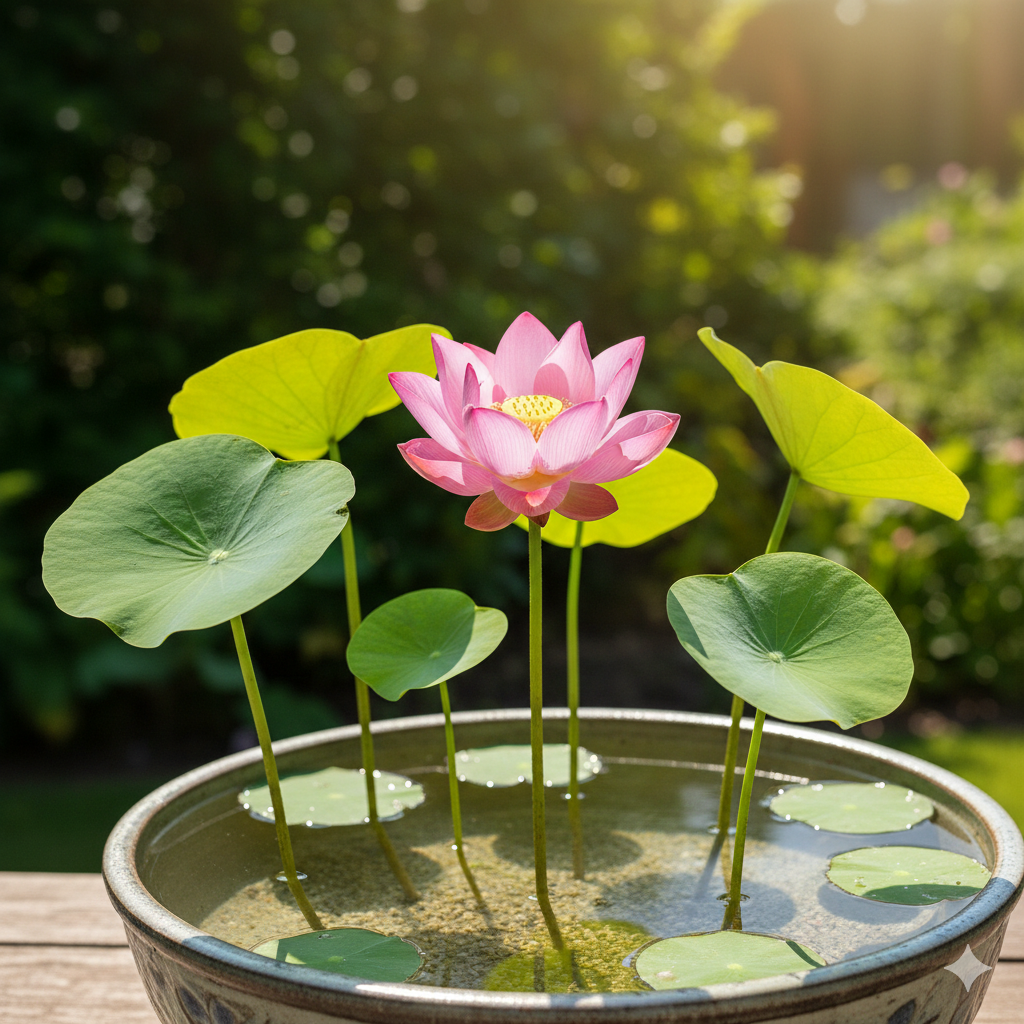
Lotus flowers are among the most beautiful and symbolic plants in the world. Known for rising gracefully above muddy water, the lotus represents purity, strength, and renewal. Learning how to plant lotus seeds is not only rewarding but also surprisingly simple if you follow the right steps.
In this complete guide, you will learn everything you need to know about planting lotus seeds, from preparation to blooming.
Understanding the Lotus Plant
The sacred lotus, scientifically known as Nelumbo nucifera, is an aquatic plant that grows in still water such as ponds, lakes, and water gardens. It produces large round leaves and stunning pink or white flowers that bloom in warm weather.
Unlike water lilies, lotus flowers rise above the water on tall stems. They grow from thick underground tubers and can also be started from seeds.

Why Grow Lotus from Seeds?
Growing lotus from seeds has several benefits:
- It is more affordable than buying mature plants.
- It allows you to experience the full growth cycle.
- Seeds can remain viable for years.
- It’s a rewarding gardening project.
However, patience is important. Lotus plants grown from seed may take time before they bloom.
Best Time to Plant Lotus Seeds
The ideal time to plant lotus seeds is during warm months when temperatures stay above 70°F (21°C). Lotus plants love sunlight and warmth, so spring and early summer are the best seasons.
If you live in a colder climate, you can start the seeds indoors and move them outside once the weather warms up.
Materials You Will Need
Before you begin, gather these materials:
- Lotus seeds
- A metal file or sandpaper
- A glass or clear container
- Warm water
- A small pot (no drainage holes)
- Heavy garden soil or clay soil
- A larger water container, pond, or tub
Having everything ready makes the process smoother.
Step 1: Scarify the Lotus Seeds
Lotus seeds have a very hard outer shell. To help them sprout, you must scratch or thin this shell. This process is called scarification.
How to Scarify:
- Take a metal file or sandpaper.
- Gently rub one end of the seed until you see a lighter inner layer.
- Do not damage the inner part of the seed.
This step is very important. Without scarification, water cannot enter the seed, and it will not sprout.
Step 2: Soak the Seeds
After scarifying:
- Place the seeds in a clear container filled with warm water.
- Keep the container in a warm, sunny location.
- Change the water daily to prevent bacteria growth.
Within 2–7 days, you should notice the seeds swelling and sprouting. Healthy seeds will sink to the bottom. Floating seeds are usually not viable.
As the sprout grows, it will form long stems and small leaves.
Step 3: Prepare the Planting Container
Once the sprout is about 4–6 inches long, it is time to plant it in soil.
Choose the Right Container:
- Use a pot without drainage holes.
- Wide containers are better than deep ones.
- Avoid lightweight soil that floats in water.
Soil Preparation:
- Use heavy garden soil or clay-based soil.
- Do not use regular potting mix (it floats and clouds the water).
- Fill the container about 3–4 inches deep with soil.
Step 4: Plant the Sprouted Seeds
Now gently plant the sprouted seed:
- Lay the seed on the soil surface.
- Lightly press it into the soil.
- Do not bury it too deeply.
- Add a thin layer of soil over the seed to hold it in place.
Be careful not to damage the delicate sprout.
Step 5: Add Water
Slowly fill the pot with water:
- Add 2–4 inches of water above the soil.
- Pour gently to avoid disturbing the soil.
- Keep the water level consistent.
Place the container in a sunny spot. Lotus plants need at least 6–8 hours of direct sunlight daily.
Step 6: Transplant to a Pond or Larger Container
As the plant grows larger and develops floating leaves, you can move it to a larger pond or water garden.
When transplanting:
- Keep the pot submerged.
- Gradually increase water depth.
- Ensure the plant still receives full sunlight.
The ideal water depth for mature lotus plants is usually 6–12 inches above the soil.
Fertilizing Lotus Plants
Do not fertilize immediately after planting. Wait until the plant develops several aerial leaves (leaves that rise above water).
Use aquatic plant fertilizer tablets:
- Push the tablet deep into the soil.
- Fertilize every 3–4 weeks during the growing season.
- Avoid over-fertilizing.
Too much fertilizer can damage young plants.
When Will Lotus Bloom?
Lotus plants grown from seed may bloom in the first year, but sometimes they take longer. Blooming depends on:
- Sunlight
- Temperature
- Water quality
- Proper fertilization
Once mature, lotus flowers bloom during summer and last for several days. Each flower opens in the morning and closes at night.
Common Problems and Solutions
1. Seeds Not Sprouting
- Ensure you scarified the seed properly.
- Keep water warm.
- Change water daily.
2. Leaves Turning Yellow
- May be lack of nutrients.
- Add fertilizer after the plant matures.
3. Cloudy Water
- Use heavy soil instead of potting mix.
- Avoid disturbing the soil.
4. No Flowers
- Ensure full sunlight.
- Fertilize properly.
- Be patient—young plants need time.
Caring for Lotus in Winter
If you live in a warm climate, lotus plants can stay in the pond year-round.
In colder areas:
- Move the pot indoors.
- Keep it in a cool but frost-free place.
- Reduce watering.
- Allow the plant to go dormant.
When spring returns, resume normal care.
Tips for Successful Lotus Growth
- Always use non-draining containers.
- Provide full sunlight.
- Maintain clean water.
- Avoid strong water movement.
- Be patient.
Lotus plants thrive in calm, warm conditions. The more stable the environment, the better they grow.
Benefits of Growing Lotus
Growing lotus plants offers more than beauty:
- They improve water garden aesthetics.
- They provide shade for fish.
- They attract pollinators.
- They symbolize peace and resilience.
Watching a lotus bloom from a seed you planted yourself is deeply satisfying.
Final Thoughts
Learning how to plant lotus seeds is a simple yet fulfilling gardening project. With proper scarification, warm soaking, careful planting, and consistent sunlight, you can grow your own stunning lotus plant at home.
Patience and care are key. Although it may take time before you see flowers, the result is truly worth the effort.
By following this guide step by step, you now have everything you need to successfully grow lotus from seed and enjoy its breathtaking beauty for years to come.